Bathroom Grab Bar Heights: Standards and Best Practices

Source: Freepik
Slippery floors and tight spaces can make bathrooms one of the most accident-prone areas in any home. According to research by CDC, it’s where almost 80% of falls in a home happen.
However, there is a very simple way to reduce the risk of slips or falls and improve general safety – grab bars.
But installing grab bars isn’t just about placing them on a wall. Height, positioning, and installation technique all play a critical role in ensuring they actually provide support when needed. So, if you’re designing a place with seniors in mind or renovating to enhance accessibility, this guide breaks down the standard bathroom grab bar heights and best practices so you can make informed, safe decisions.
Why Does Bathroom Grab Bar Height Matter?
Grab bars are designed to assist users with balance, stability, and movement, especially when transitioning between sitting and standing or entering and exiting a shower or tub. If they aren’t installed correctly (too high or too low), they can become ineffective or even dangerous.
The right grab bar height ensures:
- A natural and comfortable grip
- Reduced strain on joints and muscles
- Better leverage during movement
- Enhanced fall prevention
So yes, even a few inches can make a huge difference in usability, especially for seniors or individuals with mobility challenges.
Standard Bathroom Grab Bar Height Guidelines
The most widely accepted benchmark for grab bar installation comes from the ADA (Americans with Disabilities Act). While these guidelines were originally developed for public and commercial spaces, they are now also commonly used in residential settings.
ADA guidelines are not mandatory for private homes, but they serve as a reliable starting point for safe design. Here’s what you should know:
The recommended ADA grab bar height for a horizontal bar is 33 to 36 inches from the floor to the top of the bar. This range helps accommodate the average adult’s reach while supporting safe transitions between sitting and standing. It:
- Aligns naturally with hand positioning
- Supports users of varying heights
- Provides consistent accessibility across different bathroom locations
Sometimes, residential installations require customized grab bar fittings. For example, a shorter individual or someone recovering from surgery may benefit from slightly lower grab bars, while taller users may need a higher installation. Understanding the purpose and users’ needs can ensure the right grab bars are installed in the right places.
Grab Bar Heights for Various Bathroom Areas
Different areas of the bathroom require slightly different considerations. The placement and orientation vary depending on use.
1. Toilet Grab Bars
Grab bars around toilets are essential for assisting with sitting down and standing up. While the standard toilet grab bar height is still 33 to 36 inches from the floor, optimal placement is what really matters. To enhance safety, consider installing two grab bars.
- One bar on the side wall
- One bar on the rear wall (behind the toilet)
These bars should be within easy reach while seated and provide enough leverage to support body weight during transfers.
2. Shower Grab Bars
Shower stalls are constantly exposed to water, so there is a higher slip risk. That’s why this area requires careful planning. Along with adhering to the ADA shower grab bar height standard (33 to 36 inches from the shower floor and supporting at least 250 lbs.), make sure to place several grab bars in easily accessible spots around the shower area, such as:
- Back wall for general support
- Side wall near controls
- Entry point for stability when stepping in or out
3. Bathtub Grab Bars
Source: Pexels
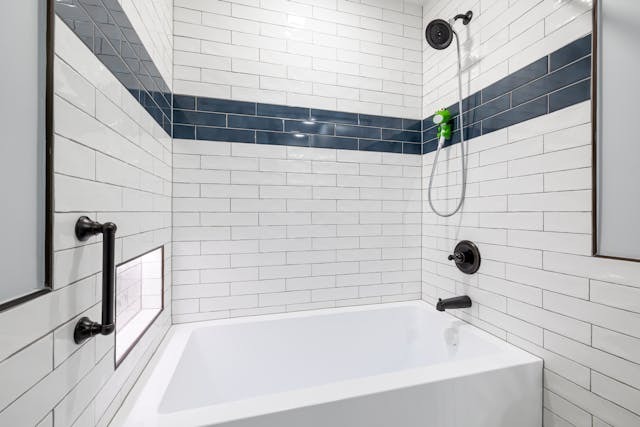
Bathtubs often require a combination of horizontal and vertical grab bars. The typical bathtub configuration includes:
- A horizontal bar at 33 – 36 inches above the floor
- An additional bar near the tub rim (around 9 inches above the edge)
A dual-bathtub grab bar height setup helps users step safely into the tub and stabilize themselves while bathing.
4. Vertical Grab Bars
Vertical grab bars are typically installed near the entrance of showers and tubs to assist with stepping in and out. They provide a different type of support, focusing on balance rather than leverage.
Best Practices for Installing Grab Bars
Getting the height right is only part of the equation. Proper installation ensures the grab bars can actually support a person’s weight and provide the required safety. That’s why it’s necessary to keep the following points in mind before installation:
1. Prioritize Structural Support
Grab bars must be securely anchored into wall studs or reinforced backing. Otherwise, they defeat the purpose entirely. Therefore, ensure the grab bars can support at least 250 pounds of force. Also, avoid installing them directly into drywall without reinforcement.
2. Maintain Proper Clearance
Spacing between the wall and the grab bar is crucial for a secure grip. This allows fingers to wrap comfortably around the bar without obstruction. As a general rule, the recommended clearance is at least 1.5 inches.
3. Choose the Right Diameter
Grip size matters more than most people realize. So make sure the diameter is enough so that people can comfortably and securely grip the bar. The ideal diameter is 1.25 to 2 inches.
This range ensures the bar is easy to hold for most users, including those with limited hand strength.
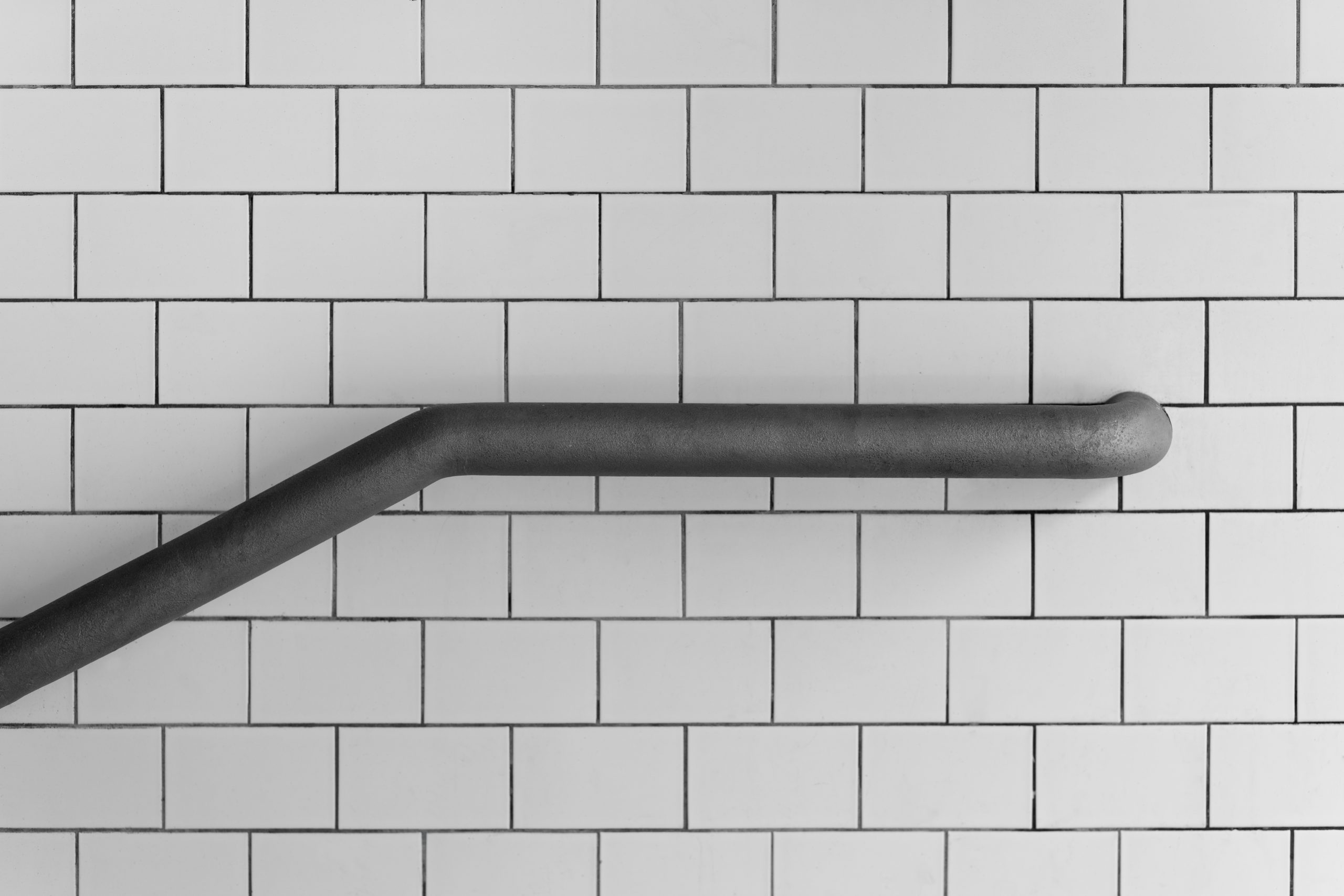
4. Consider Angled Grab Bars
Source: Freepik
Horizontal and vertical bars are standard fixtures in bathrooms, but angled grab bars can provide additional flexibility. They:
- Offer multiple grip heights
- Accommodate users of different sizes
- Improve ergonomics
5. Install Multiple Bars for Better Coverage
One grab bar is rarely enough, especially in bathrooms designed for seniors or individuals with mobility issues. Consider installing:
- At least two bars in showers or tubs
- Bars positioned for both entry and internal support
- Strategic placement near high-risk areas
Common Mistakes to Avoid
Even well-intentioned installations can go wrong. Here are some common mistakes to watch out for:
- Installing too high or too low. This reduces usability and can strain the user.
- Sidelining the user’s needs. Standard heights don’t necessarily work for everyone – customization is key. Tailoring to the user’s height, mobility level, and use of assistive devices (e.g., walkers and or wheelchairs) can make it easy to sit, stand, and transfer positions within the bathroom.
- Poor anchoring techniques lead to loose or unstable bars that can cause serious injuries.
- Overlooking the placement of bars can hinder natural movement patterns as well as the available space on the walls.
Merging Bathroom Safety with Design
Modern bathrooms are now designed with more than just functionality and aesthetics in mind. They’re focusing increasingly on safety and accessibility. So it’s not surprising to see trends such as:
- Designer grab bars that blend with décor
- Multi-functional bars (towel racks + support)
- Pre-installed wall reinforcements in new builds
- Universal design principles for all ages
These innovations make it easier than ever to prioritize safety without compromising aesthetics.
Getting Grab Bar Heights Right
Grab bars may be a small addition to your bathroom, but they sure have a big impact. However, the best results come from installing them at the correct height. Combining standard bathroom grab bar height guidelines with personalized adjustments can significantly reduce the risk of falls and make the bathroom more accessible for everyone.
This is where we can help. At Ace Home Remodeling, we have years of experience designing and remodeling bathrooms. Our teams ensure your bathrooms are not only safer but also more comfortable and modern.
If you’re thinking about a bathroom remodel in Orlando, schedule a free consultation with us today.